Strategic design choices
Crafting authentic interiors with contemporary design principles

Timeless appeal
Maximizing architectural potential in modern residential spaces
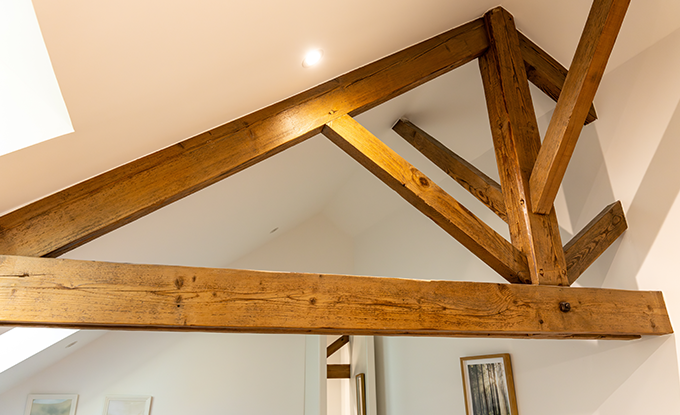
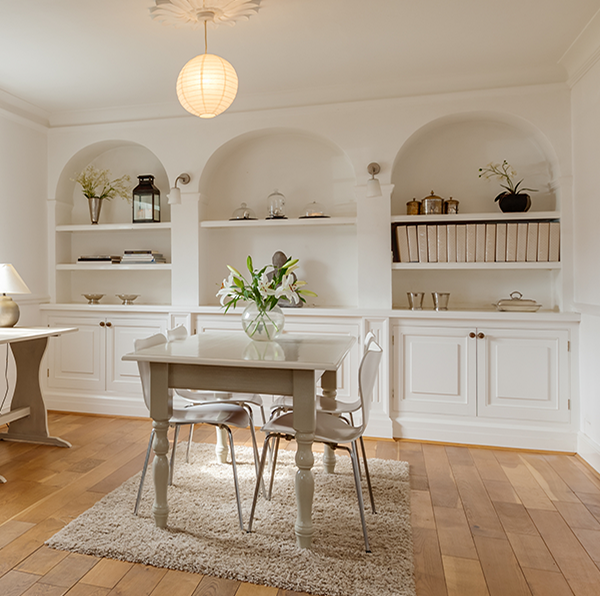
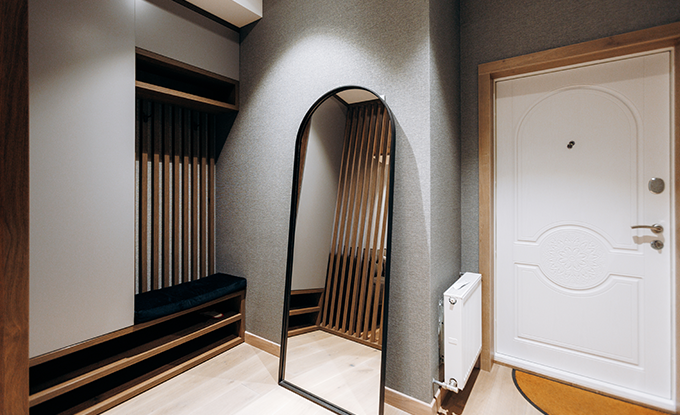
Analyzing the structural bones of a property reveals hidden opportunities for built-in storage or alcove shelving. Highlighting original features like exposed beams or molding adds character, while strategic mirror placement amplifies natural light in narrower corridors, effectively altering the perceived volume of the room.
Open-plan concepts require distinct visual anchors to prevent a cluttered appearance. Using variation in flooring materials or ceiling heights subtly delineates the kitchen from the lounge without obstructing sightlines.
Curating atmospheres through soft furnishings and decor
Accessories serve as the connecting thread in a design scheme, introducing necessary contrast through pattern, weave, and density to otherwise neutral backgrounds.

Woven wool throws
Adding necessary thermal comfort during cooler evening hours.

Silk accent cushions
Reflecting ambient light to brighten dark seating corners.

Geometric area rugs
Grounding furniture arrangements within large, open floor plans.

Linen roman shades
Offering privacy while maintaining natural daylight diffusion.
Visual harmony
Selecting durable materials for long-lasting furniture pieces
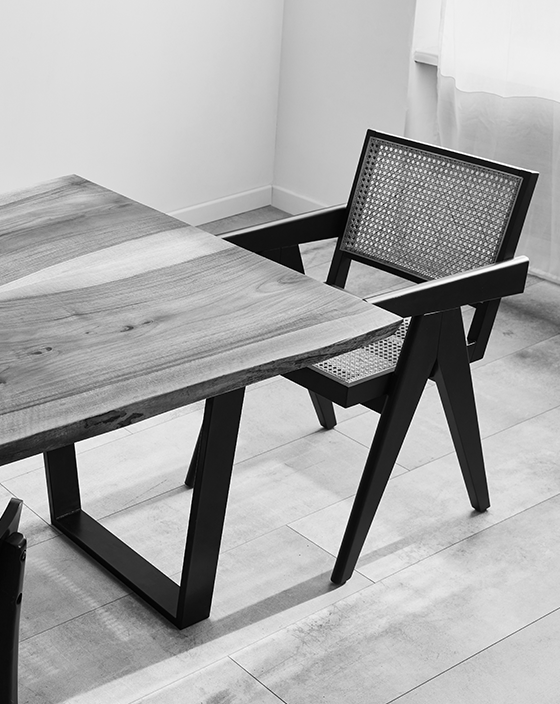
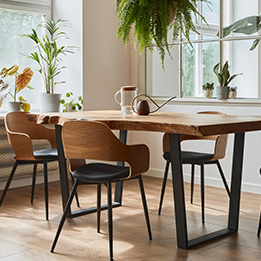
The longevity of dining tables and cabinetry depends largely on the quality of the raw materials used. Solid hardwoods like oak or walnut withstand daily wear and develop a patina over time, whereas engineered metals provide a sleek, industrial aesthetic that resists scratching and heat damage in high-traffic zones.
Beyond aesthetics, the weight and joinery of a piece indicate its structural integrity. Mortise and tenon joints in wooden chairs ensure stability that mass-produced staples cannot match.
Mastering light interaction with paint finishes
The impact of a wall color shifts dramatically depending on the finish selected, ranging from light-absorbing matte to reflective high-gloss. A velvet matte finish conceals drywall inconsistencies perfectly, creating a sophisticated backdrop, while eggshell surfaces offer a washable durability essential for hallways and kid-friendly zones without excessive shine.
Natural light exposure dictates the success of a color choice throughout the day. North-facing rooms often require warmer undertones to counteract blue light, whereas south-facing spaces can handle cool greys and stark whites. Testing paint samples on multiple walls reveals how shadows manipulate the hue from morning to evening.
Optimizing vertical space in compact urban gardens
Even limited balconies become lush retreats by utilizing wall-mounted trellises and hanging planters to maximize greenery.

Climbing ivy for natural privacy screens
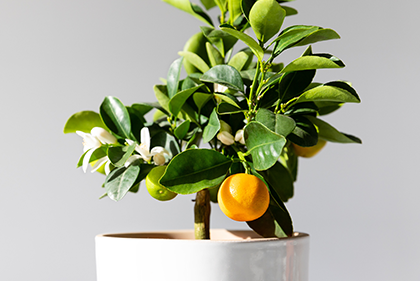
Potted citrus trees for seasonal color
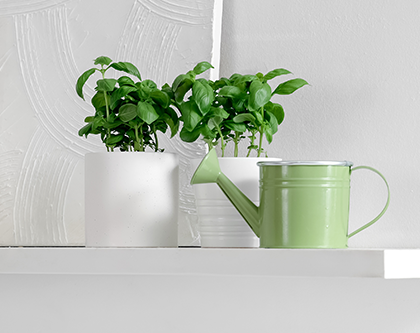
Tiered herb shelving for culinary use


Natural retreat
Implementing sustainable practices in residential landscape design
Eco-conscious gardening focuses on reducing water dependency through xeriscaping principles and intelligent irrigation systems. Replacing thirsty lawns with drought-tolerant ground covers drastically cuts maintenance needs. Permeable paving solutions allow rainwater to replenish the groundwater table rather than running off into storm drains, supporting the local ecosystem.
Composting organic kitchen waste enriches the soil naturally, eliminating the need for chemical fertilizers. This cycle creates a nutrient-dense foundation for vegetable patches and ornamental flower beds.